Winter readiness in Idaho
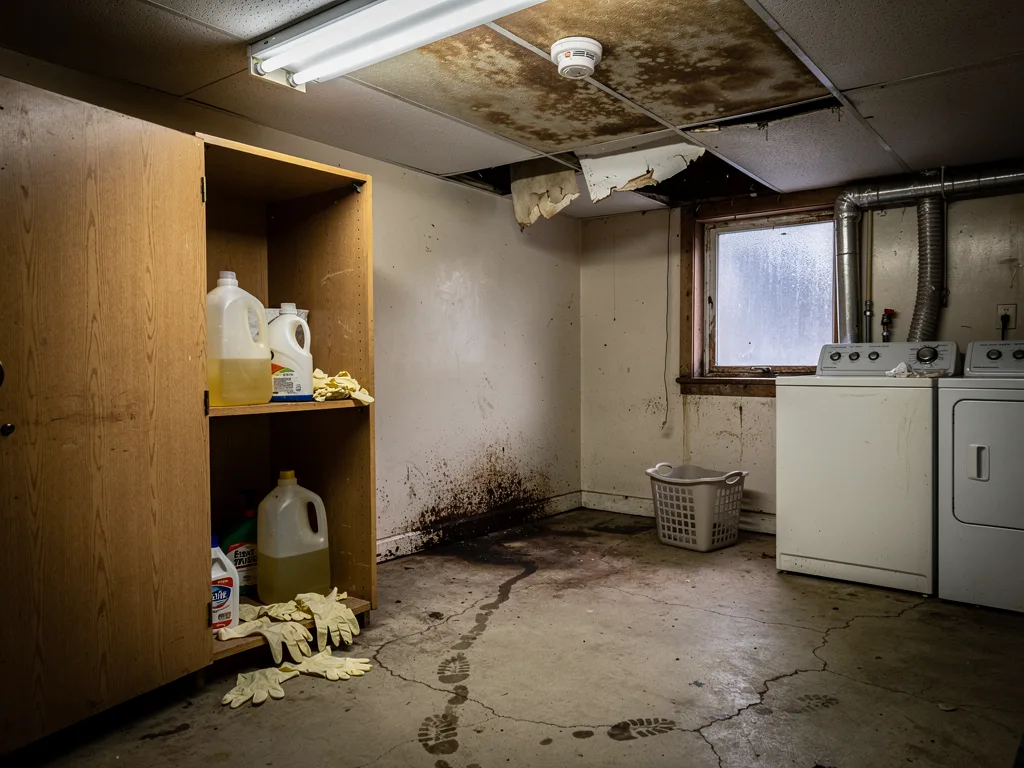
Cold months bring dry air and indoor heating that can irritate nasal passages and worsen mold growth if humidity isn’t managed. Check basements and laundry areas for any moisture buildup. Use a dehumidifier in damp spaces and ensure proper ventilation around bathrooms and kitchens. When you notice a musty odor or condensation on windows, it’s time to inspect for hidden moisture and potential biohazard concerns.
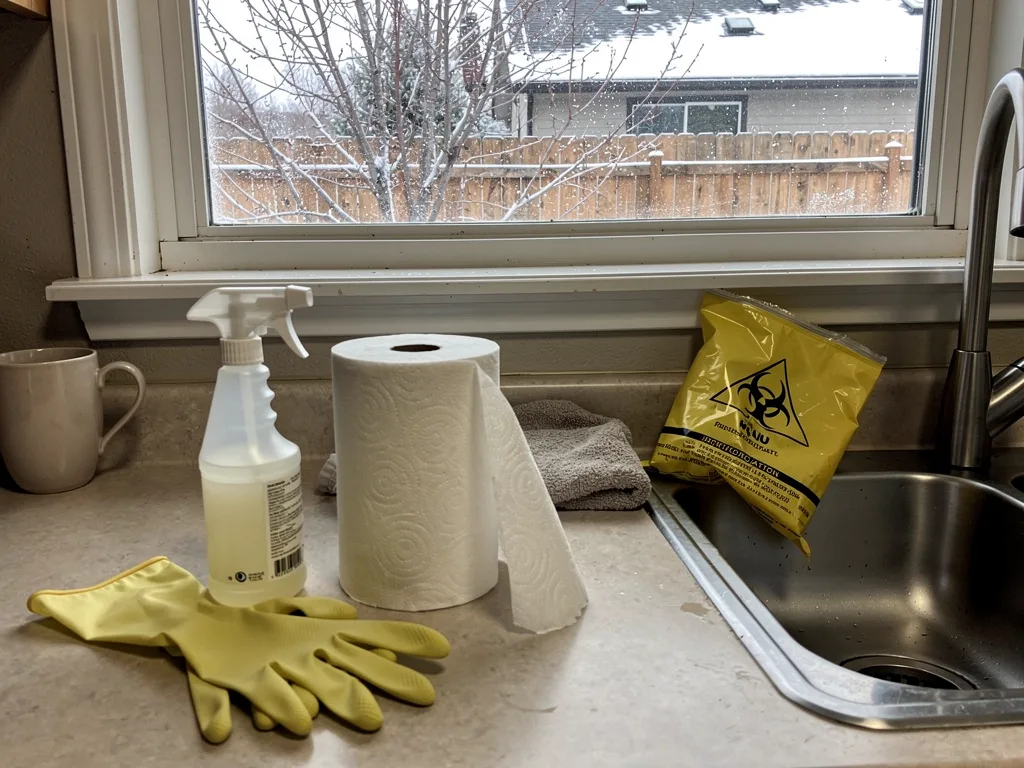
Snow and ice can trap moisture along doorways and floors. Keep entryways clean and dry, and seal gaps that let in dampness. If you see staining, corrosion, or unusual residues near drains and pipes, call a biohazard remediation technician to evaluate before cleaning or sealing area by area.
Spring and early summer checklist
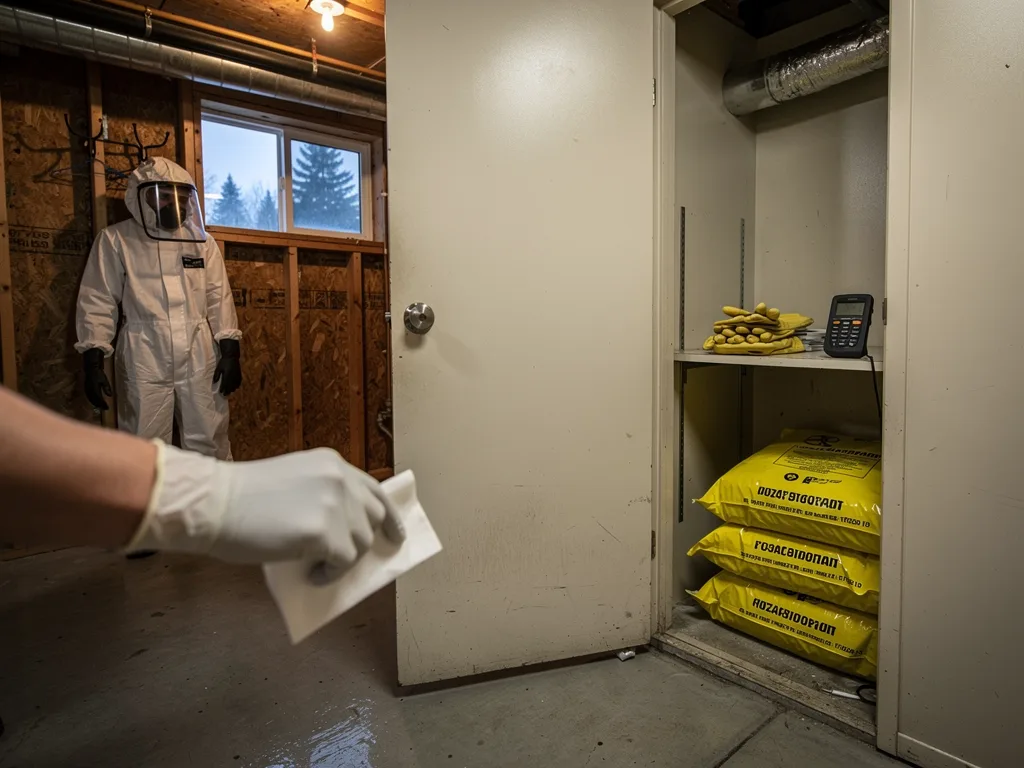
Spring in Idaho often brings rain and higher humidity. Inspect crawl spaces and under sinks for damp patches. Mold can develop quickly in poorly ventilated spaces. A routine check helps you catch issues early. If you smell a strong odor or see visible growth, schedule a professional assessment to map out containment and cleanup steps.
Outdoor activities may increase backyard or garage contamination risks. If there has been a spill or exposure in a garage, shed, or workspace, let our team evaluate the scene. We’ll outline a safe plan for cleanup and disposal that protects your home and family.
Fall prep and year-round habits
As temperatures drop, inspect insulation and sealing around doors and windows to reduce moisture intrusion. Clean and dry areas that may collect dampness, especially in basements and storage rooms. Annual checks by a biohazard remediation technician help keep your Idaho home safer. We can tailor a plan to your space and climate conditions across the state.
Bottom line: proactive, informed steps beat reactive cleanup. A regular assessment with our crews across Idaho keeps risks low and helps you sleep better through the seasons.